Have you ever watched a talented manager get promoted, then quietly struggle, while nobody around them says a word? That gap between competence and real leadership is uncomfortable, and it’s more common than most companies admit. It’s exactly the problem pedro paulo executive coaching was built to solve.
This guide walks through who Pedro Paulo is, how his coaching framework works, and who benefits most from it. You’ll see real program structures, case studies and honest answers about cost and results. If you’ve been circling the idea of coaching for yourself or your team, pedro paulo executive coaching might be the clear next step. Keep reading.
Pedro Paulo Executive Coaching
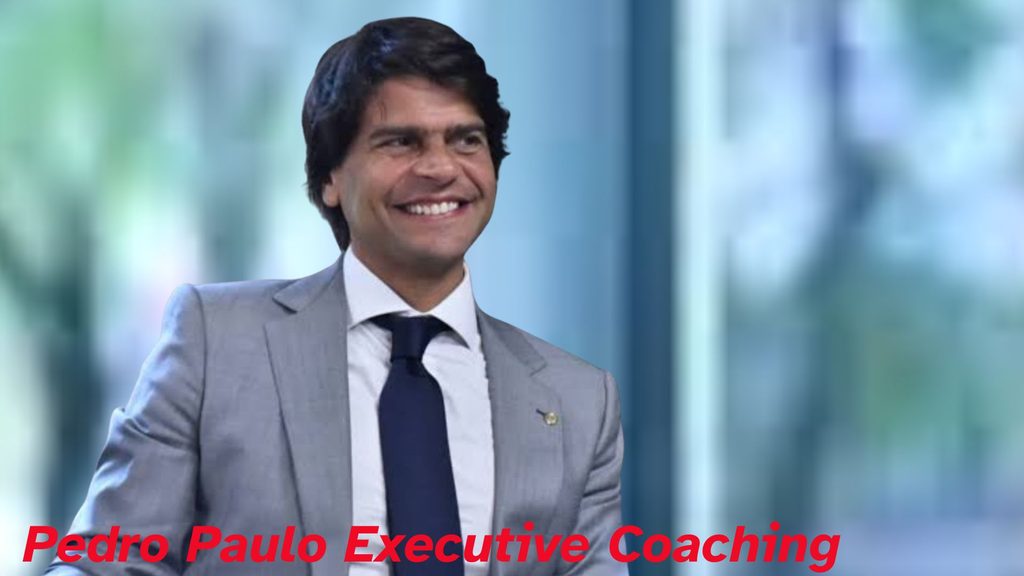
Pedro Paulo executive coaching is a personalized leadership development approach built around one idea: technical skill gets people promoted, but self-awareness and emotional intelligence are what make them effective once they’re there. Pedro Paulo spent years as a corporate executive before shifting fully into coaching.
That background matters. He understands boardroom pressure, stakeholder politics and the real constraints executives face, not just theory from a textbook. His programs combine structured assessment, ongoing accountability and frameworks tailored to each leader’s situation, rather than a one-size-fits-all seminar. That combination is why pedro paulo executive coaching keeps coming up whenever leadership development is discussed.
Pedro Paulo Executive Coaching: Profile Summary
Here’s a quick snapshot of the coaching practice, covering the details readers ask about most.
| Detail | Information |
| Coach name | Pedro Paulo |
| Background | Former corporate executive, business operations and team leadership |
| Specialty | Executive coaching, leadership development |
| Core framework | 5 Pillars model |
| Typical clients | Emerging leaders, senior executives, C-suite, executive teams |
| Engagement length | 6 to 12 months, monthly sessions |
| Format | In-person or virtual |
| Reported ROI | 300% to 500%, per case data cited |
That table sums up the shape of the practice, but the details behind each row are where pedro paulo executive coaching earns its reputation.
Who Is Pedro Paulo? Bio and Background
Pedro Paulo didn’t start as a coach. He began in traditional corporate roles, working in high-pressure business environments across multiple industries. Those years gave him direct experience with organizational development, team leadership and the everyday friction of running a business.
- He worked in corporate operations before transitioning into coaching.
- He held positions requiring strategic alignment across departments.
- He noticed a pattern: technical skill didn’t predict who became a strong leader.
- He pursued coaching certifications, emotional intelligence training and organizational psychology study.
- His shift into full-time coaching grew directly out of these corporate observations.
That mix of lived business experience and formal coaching training is central to how pedro paulo executive coaching positions itself against coaches who never sat in the boardroom themselves.
Pedro Paulo Executive Coaching & Career Foundation
His career path shows a clear arc: corporate leadership first, then a deliberate move into coaching mastery. During his corporate tenure, he managed change initiatives, built high-performing teams and navigated stakeholder relationships firsthand.
He observed something that shaped his entire coaching philosophy. Leaders with equal intelligence and resources had wildly different outcomes, and the difference came down to self-awareness and adaptability, not raw talent. That insight became the foundation for pedro paulo executive coaching, which treats leadership as a set of learnable behaviors rather than a fixed trait.
Educational Foundation and Credentials
Pedro Paulo maintains ongoing training rather than resting on a single certification. His educational background includes coaching psychology, 360-degree feedback methodology and evidence-based coaching approaches.
- Executive coaching certification through accredited coaching organizations.
- Training in psychometric assessment and 360-degree feedback administration.
- Study in emotional intelligence development and assessment.
- Continued education in organizational development and change management.
- Active participation in coaching conferences and peer communities.
Credentials alone don’t guarantee results, but they support the credibility behind pedro paulo executive coaching as more than an improvised service.
Recognition and Client Outcomes
Third-party validation for any coach usually comes from client results rather than trophies. For Pedro Paulo, that means executives who advance into senior roles, lead successful transformations and report stronger work satisfaction after coaching.
Media features and testimonials add another layer of evidence. Still, the strongest signal is repeatable outcomes across different industries and leadership levels, which is the standard pedro paulo executive coaching is measured against by prospective clients.
The 5 Pillars Framework of Pedro Paulo Executive Coaching
The core method behind pedro paulo executive coaching rests on five connected pillars, each targeting a different layer of leadership capability.
| Pillar | Focus |
| 1. Self-Awareness & Emotional Intelligence | Identifying blind spots through feedback and reflection |
| 2. Strategic Leadership & Goal Setting | Aligning daily actions with long-term vision |
| 3. Communication & Influence | Building credibility and stakeholder trust |
| 4. Team Dynamics | Creating psychologically safe, high-performing teams |
| 5. Resilience & Sustainable Leadership | Preventing burnout while sustaining performance |
Self-awareness sits at the base, since leaders who misread their own impact tend to trigger defensive reactions without realizing it. Strategic thinking, communication and team-building build on that foundation, and resilience ties it all together so growth doesn’t collapse under pressure. This structure is what separates pedro paulo executive coaching from a generic leadership seminar.
How Pedro Paulo Executive Coaching Differs From Traditional Training
Traditional leadership training delivers content in a classroom, and most of it fades within weeks. Coaching works differently because it is personalized, ongoing and built around accountability rather than one-time information transfer.
- Coaching addresses specific challenges instead of generic case studies.
- Sessions continue over months, supporting sustained behavior change.
- Coaches hold leaders accountable for concrete actions between sessions.
- Assessment results shape a customized plan instead of a fixed curriculum.
- The same coach works with a client over time, enabling deeper progress.
That structure explains why organizations increasingly favor pedro paulo executive coaching over one-off workshops when they want measurable change, not just a memorable seminar day.
Pedro Paulo Executive Coaching Programs & Structure
Every engagement starts with a discovery phase before any coaching begins. This includes individual interviews, 360-degree feedback from peers and direct reports, psychometric evaluations, and an analysis of the organizational context around the leader.
From that assessment, a customized plan identifies three to five key development areas, with success metrics defined upfront. Monthly sessions then run for six to twelve months, in person or virtually, with clients applying insights to real situations between meetings. This assessment-first approach is a defining feature of pedro paulo executive coaching.
Pedro Paulo Executive Coaching for Emerging Leaders
Emerging leaders face a specific problem: they proved themselves technically, then get promoted into a role that demands entirely different skills. Coaching compresses years of trial-and-error into a guided process.
Programs for this group typically address:
- Building credibility quickly with a new team.
- Shifting from individual contributor to team leader mindset.
- Developing emotional intelligence for relationship building.
- Learning delegation and coaching skills for direct reports.
- Building executive presence and navigating organizational politics.
For a first-time manager, pedro paulo executive coaching often makes the difference between a rocky first year and a confident transition.
Advanced and Platinum Programs for Senior Executives
Senior leaders rarely struggle with basic leadership skills. Their challenges sit at a different altitude: board relationships, organizational transformation and succession planning.
| Program Focus | What It Covers |
| Board Readiness | Governance, fiduciary duties, board dynamics |
| Organizational Transformation | Stakeholder management during major change |
| Executive Team Alignment | Reducing C-suite conflict and silos |
| Succession Planning | Building leadership pipelines and mentoring |
Platinum-level engagements add more frequent sessions and integration with broader organizational strategy. At this level, pedro paulo executive coaching shifts from personal development to shaping how an entire leadership team operates together.
Benefits, ROI and Client Case Studies
Coaching produces outcomes that are easier to measure than most leadership initiatives, which is part of its appeal to finance-minded executives.
- One technical expert promoted to team lead saw team engagement scores improve 35% within six months after working on emotional intelligence.
- A VP facing a company-wide reorganization led her transformation on time and under budget, with employee engagement improving during the transition.
- An executive team with a 40% reduction in decision-making time after resolving trust issues through combined coaching and workshops.
- Organizations report ROI in the 300% to 500% range from improved retention and faster advancement.
- Coached leaders often become stronger mentors, multiplying the impact across their own teams.
These outcomes are why pedro paulo executive coaching gets cited as a case study in leadership development discussions, not just a service page.
Metrics That Matter in Pedro Paulo Executive Coaching
Serious coaching engagements track progress with real numbers instead of vague impressions. Individual metrics include 360-degree feedback score changes, goal achievement on the action plan, and promotion outcomes. Organizational metrics include leader retention, time-to-effectiveness for new executives and employee engagement survey results.
Tracking these numbers keeps pedro paulo executive coaching accountable to business results rather than subjective feelings about progress, which is exactly the kind of proof skeptical executives ask for before investing.
The Coaching Journey: From Assessment to Independence
A typical engagement unfolds in four phases. Assessment and discovery happen in the first two weeks. Active coaching runs from month one through nine, with monthly sessions and real-world application between them. Integration and independence follow in months ten through twelve, as coaching frequency decreases and clients rely more on internal judgment. Ongoing support often continues informally after the formal engagement ends.
- Weeks 1 to 2: interviews, 360-degree feedback and psychometric evaluation.
- Months 1 to 9: monthly sessions with real-world skill application.
- Months 10 to 12: reduced frequency, more self-directed growth.
- After: periodic check-ins as new challenges arise.
This phased structure is a core reason pedro paulo executive coaching produces lasting change instead of a short-term motivation spike.
Organizational Impact of Pedro Paulo Executive Coaching
The effects of coaching a senior leader rarely stay contained to one person. When executives build emotional intelligence and communication skill, their teams respond with more trust and psychological safety, which tends to increase engagement and reduce time wasted on office politics.
Stronger strategic alignment at the top also speeds up organizational decision-making, since competing priorities get resolved instead of quietly coexisting. Companies that invest in this kind of coaching often see measurable gains in retention and internal leadership pipelines, which is the broader case for pedro paulo executive coaching as an organizational strategy, not just an individual perk.
Is Pedro Paulo Executive Coaching Worth the Investment?
Cost varies by program level and session frequency, and most engagements run six to twelve months. The honest answer depends on what “worth it” means to the buyer: coaching is not cheap, and it requires genuine commitment from the client to work.
That said, the reported ROI range of 300% to 500%, driven by improved retention, faster promotions and stronger team performance, is a meaningful data point for finance-minded decision-makers. For a company weighing a costly executive departure against a coaching investment, pedro paulo executive coaching often comes out ahead on paper.
Who Should Consider Pedro Paulo Executive Coaching?
Not every professional needs this kind of support at the same time. It tends to fit specific moments in a career.
- Emerging leaders stepping into their first management role.
- Senior executives preparing for board positions.
- Leaders navigating major organizational change or reorganization.
- High-potential professionals whose growth has plateaued.
- Executive teams stuck in silos or slow, conflict-heavy decision-making.
If none of those describe your current situation, coaching may be premature. If one does, pedro paulo executive coaching is worth a serious look.
FAQs
What is Pedro Paulo executive coaching?
Pedro Paulo executive coaching is a personalized leadership development approach combining assessment, emotional intelligence work and accountability, built on a former executive’s own corporate experience.
Who benefits most from Pedro Paulo executive coaching?
Pedro Paulo executive coaching suits emerging leaders, senior executives preparing for board roles, and teams navigating major organizational change or persistent conflict.
How long does Pedro Paulo executive coaching last?
Most Pedro Paulo executive coaching engagements run six to twelve months with monthly sessions, though some clients continue longer for ongoing development.
What does Pedro Paulo executive coaching cost?
Pricing for Pedro Paulo executive coaching varies by program level and frequency, typically ranging from moderate to significant annual investment based on scope.
What framework does Pedro Paulo executive coaching use?
Pedro Paulo executive coaching is built on a 5 Pillars framework: self-awareness, strategic leadership, communication, team dynamics, and resilience.
Does Pedro Paulo executive coaching actually work?
Case studies cited for Pedro Paulo executive coaching report measurable results, including improved team engagement scores and faster promotions for coached leaders.
Is Pedro Paulo executive coaching confidential?
Yes. Pedro Paulo executive coaching maintains strict confidentiality between coach and client, with exceptions only for legally required disclosures.
Conclusion
Pedro Paulo executive coaching offers something most leadership training doesn’t: a personalized, accountability-driven process built by someone who has actually sat in the boardroom seat. The five-pillar framework addresses self-awareness, strategy, communication, team dynamics and resilience as connected pieces, not separate workshops.
The key takeaway is simple. Whether you’re a first-time manager or a senior executive eyeing a board seat, pedro paulo executive coaching is designed to compress years of trial-and-error into a guided, measurable process. If leadership growth has stalled for you or your team, this is a model worth exploring rather than dismissing as another generic coaching pitch.
Ethan Walker is a passionate writer covering tech, lifestyle, and digital trends with clear insights and engaging storytelling.